
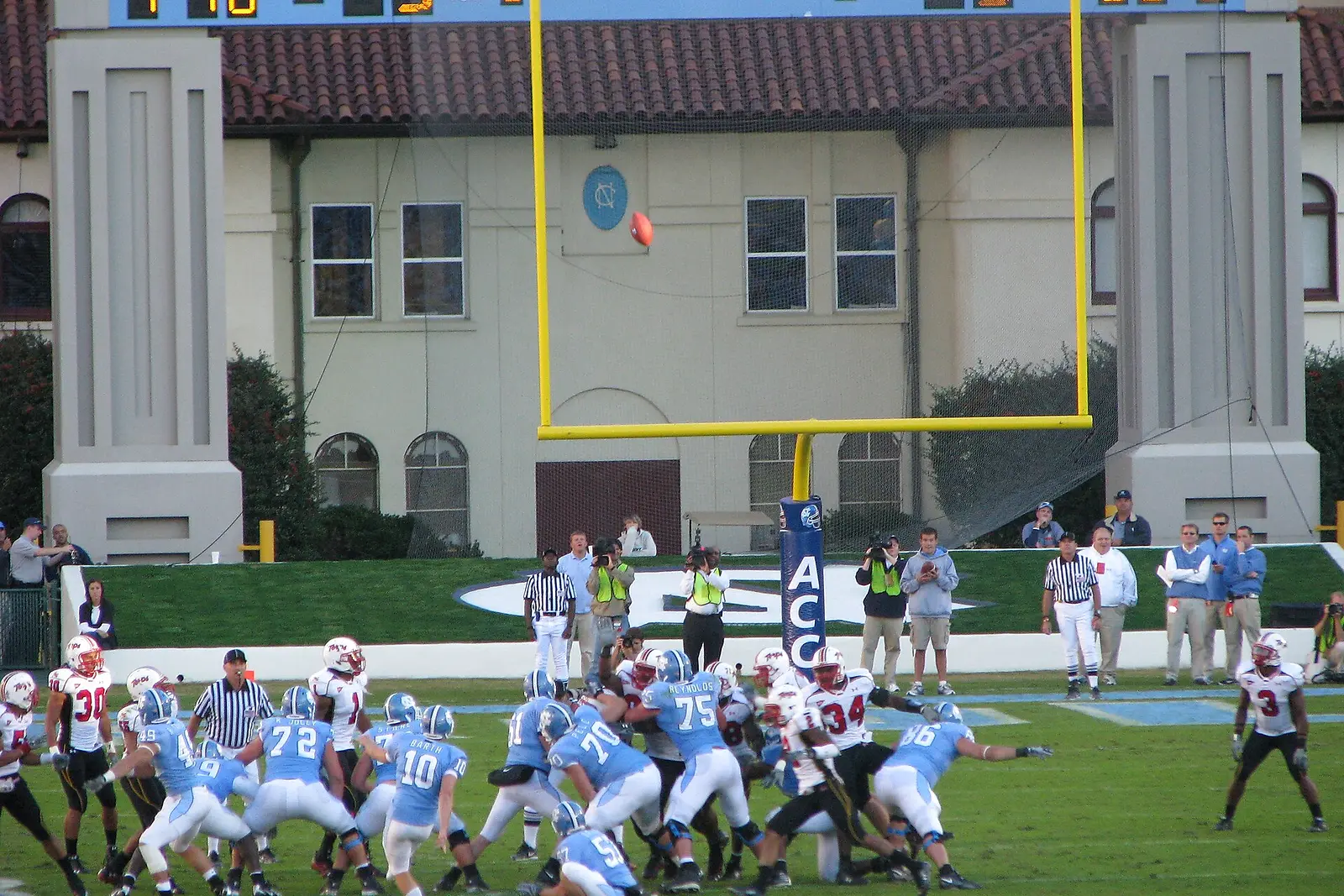
North Carolina is 2–0. Its defense has allowed 13 points. Bill Belichick can point to the football and say the season is under control.
He cannot call the program stable anymore.
Defensive coordinator Steve Belichick will resign effective October 27, when his medical leave ends. General manager Michael Lombardi resigned September 3. UNC’s internal investigation concluded that some conduct within the program violated university values and standards, though the school characterized the incidents as isolated rather than systemic. Reuters reported that the remaining staff will not face discipline and that Bill Belichick remains the head coach.
That distinction matters legally and institutionally. It does not make the football operation look normal.
The record is not the rebuttal
The easiest defense of Belichick is the scoreboard. UNC opened by beating TCU 15–10 in Dublin, then handled East Tennessee State 35–3. StatTake’s Week 3 board has the Tar Heels 21st nationally in defensive EPA allowed and 14th in points allowed per drive. The offense ranks 12th in success rate.
Those numbers are encouraging, but the board is currently flagged stale while the latest processing completes, and two games cannot settle an organizational question anyway. The issue is not whether the defense can stop somebody. It is whether an NFL-style structure built around Belichick’s closest football relationships can survive losing two of its most important architects before October.
Steve was not a ceremonial hire. He was the defensive coordinator and part of the family-centered coaching model. Lombardi was not a consultant on the margins. He was the general manager charged with helping translate Belichick’s roster vision to college football. Both are now leaving after the same internal review.
UNC says the problems were isolated. That is the strongest counterargument, and it deserves to be taken seriously. The investigation is over, the university kept the head coach, and the team has played disciplined football. It would be irresponsible to transfer unproven allegations onto people the school cleared of discipline.
But accountability is more than avoiding punishment. Belichick sold North Carolina on professional organization: clear roles, elite preparation and a program that would operate differently from ordinary college football. When the GM and defensive coordinator both exit after an investigation, the standard cannot suddenly become, “At least the games still look fine.”
The football question now is who owns the structure. If the remaining staff can absorb defensive duties, recruiting decisions and roster management without confusion, Belichick will have proved the model is larger than two trusted lieutenants. If not, the 2–0 start will look less like stability than a team temporarily outrunning front-office disorder.
My verdict: UNC does not need another press-conference reassurance. It needs visible lines of authority and a season without another institutional surprise. Winning can protect a coach. It cannot, by itself, prove control.
How effectively a program improves, retains and converts players relative to their starting expectations.
EFFICIENCYPENDINGV1.0-provisionalDown-to-down performance with less credit for isolated, high-variance plays.
COACHINGPENDINGV1.0-provisionalDecision quality and situational execution separated from baseline roster strength.
WHAT’S YOUR TAKE?
Keep it about the game.
YOUR TAKE BELONGS IN THE CONVERSATION.
Create a free StatTake account to comment beneath full articles. Sign in with a private code sent to your email—no extra password.
- Comment beneath every full article
- Choose one public username
- Keep your email private
Loading comments…